
Corrective Exercise and Rehabilitation to Prevent Re-Injury
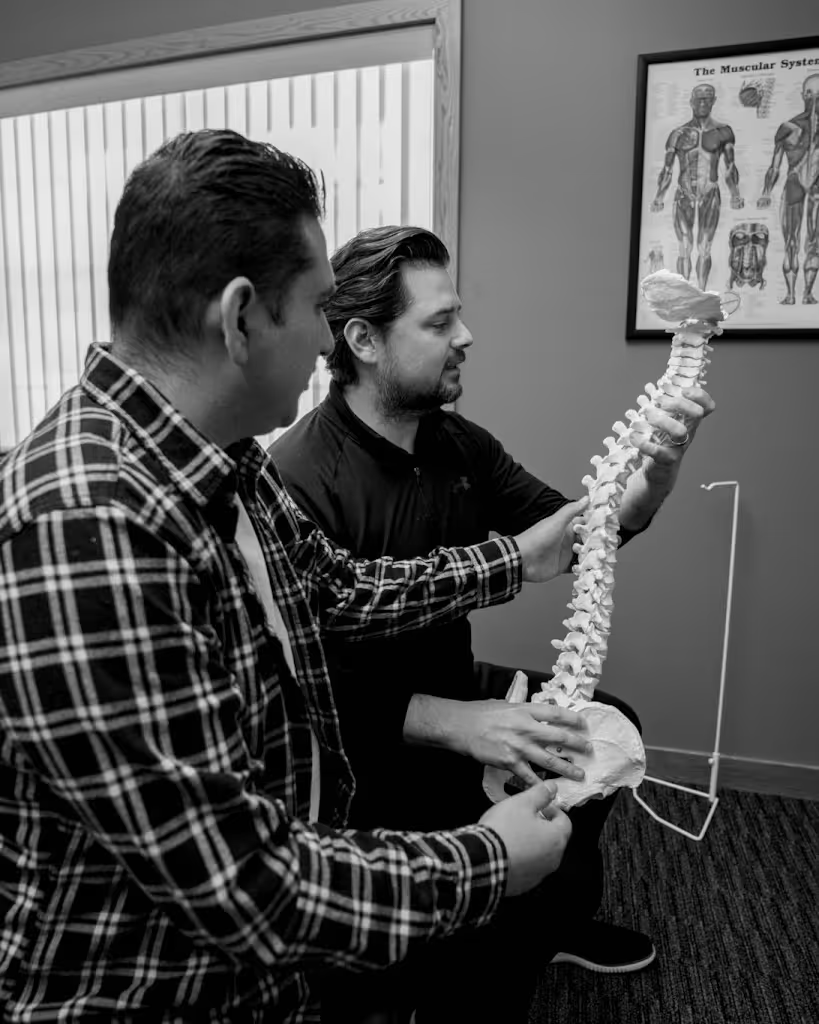
When pain finally settles down, it is tempting to stop treatment and get back to your normal routine. The problem is that feeling better is not the same as being fully healed. The tissue may still be weak, the movement pattern that caused the issue may still be present, and the joint may not be moving the way it should. This is where corrective exercise and rehabilitation make the difference between a short break from pain and a lasting recovery. At True Motion Chiropractic Group in Midland, rehabilitation is a core part of care because it addresses the reasons the problem started in the first place.
What corrective exercise and rehabilitation are
Rehabilitation is the process of restoring healthy movement, strength, and function after an injury, illness, or period of pain. It combines quality movement, targeted exercise, manual therapy, and education so the body can return to doing the things you enjoy. Corrective exercises are a specific part of that process. They are chosen to strengthen muscles that became weak, to retrain patterns that broke down, and to correct imbalances that put extra stress on your joints.
Research continues to show that guided rehabilitation not only reduces pain but also improves how you move and perform in daily life and in sport. The goal is not to work out for the sake of it. Every movement is selected for a reason, and the plan progresses as your body is ready.
Why rehabilitation matters after the pain fades
Pain is a signal, not the whole story. When you injure a muscle or joint, the body protects the area by changing how you move. You might shift weight to the other leg, limit how far you rotate, or tense the muscles around the joint. These changes are helpful in the short term, but they often stick around long after the pain is gone. Over time they create new stress points, which is a common reason old injuries seem to return in a slightly different spot.
Corrective exercise breaks that cycle. By rebuilding strength and restoring normal movement, rehabilitation helps the body let go of the protective patterns and return to balanced, efficient motion. For people dealing with low back pain, neck pain, or recurring sports injuries, this step is often what turns temporary relief into real progress.
How True Motion builds a rehabilitation plan
Effective rehabilitation starts with an accurate picture of how your body is moving. Dr. Madigan is certified in the Selective Functional Movement Assessment, which breaks movement into clear parts so limits in mobility or control are easy to identify. This assessment guides the plan so the exercises target the true source of the problem rather than only the area that hurts.
From there, care usually moves through a few phases. Early on, the focus is on calming irritated tissue and restoring pain free range of motion. This may include chiropractic care, soft tissue work, and gentle mobility exercises. As symptoms improve, the plan shifts toward rebuilding strength and control. Corrective exercises are often added near the end, once proper range of motion has been restored, to strengthen the muscles that had adhesions and to correct muscular imbalance.
Conditions that benefit from rehabilitation
Corrective exercise and rehabilitation help a wide range of concerns. Common examples include:
- Low back and hip pain that keeps returning
- Neck and shoulder tension from posture or desk work
- Knee and ankle issues from sport or overuse
- Recovery after a sprain, strain, or surgery
- Loss of flexibility, mobility, or balance
Because the plan is built around your movement and your goals, it works for the weekend athlete, the person on their feet all day, and anyone who simply wants to move without pain.
The role of chiropractic care alongside rehab
Rehabilitation works best when the joints are moving well. Chiropractic adjustments and manual therapy help restore that motion, while corrective exercise builds the strength to hold the improvement in place. The two support each other. Adjustments create the window for better movement, and exercise trains the body to use it. For active patients, supporting therapies such as focused massage and laser therapy can be added to support tissue healing between sessions.
What to expect and why consistency matters
Rehabilitation is a process, not a single visit. Your plan includes clear guidance you can follow at home, because the work you do between appointments drives much of your progress. Most home programs are simple and take only a few minutes a day. The key is doing them regularly. Small, consistent effort adds up to strong, lasting results.
Your positive attitude and dedication play a real role here. The team provides the strategy and the hands on care, and your commitment to the plan brings it together.
Prevent the next injury before it starts
One of the best reasons to complete a rehabilitation plan is prevention. Once your movement is balanced and your strength is restored, you are far less likely to reinjure the same area. Many patients also find that they move better than they did before the injury, which helps in everything from lifting a child to finishing a round of golf.
Rehabilitation supports every stage of life
Corrective exercise is not only for athletes recovering from a big injury. It helps at every stage of life and activity. A parent who wants to lift a child without back pain, an office worker who wants to sit through the day without neck tension, and a retiree who wants to stay steady on their feet all benefit from restoring strength and quality movement. The exercises are scaled to your ability, so the plan meets you where you are today and grows with you.
This is also why rehabilitation is a smart investment even when you are not in pain. Building a strong, balanced body now makes you more resilient later. Better movement lowers your risk of injury during sport, work, and daily tasks, and it helps you keep doing the activities that matter to you for years to come.
Start your recovery the right way
If pain has eased but you want to make sure it stays gone, a rehabilitation focused evaluation is a smart next step. Request an appointment to build a corrective exercise and rehabilitation plan at True Motion Chiropractic Group in Midland.