
SoftWave Therapy for Chronic Pain and Slow-Healing Injuries
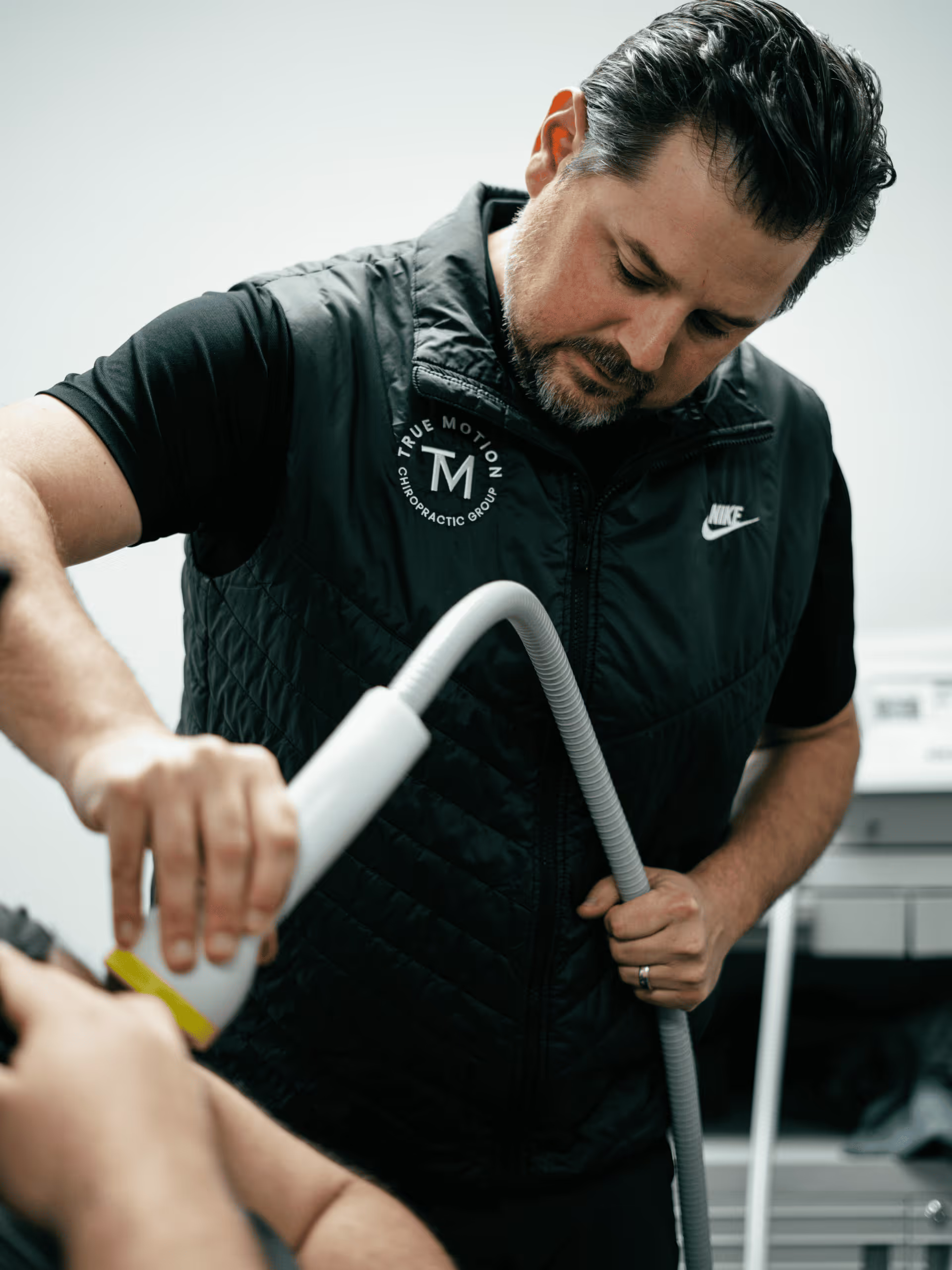
When pain lingers for months and other approaches have stalled, it is natural to look for something that supports real healing rather than a temporary fix. SoftWave therapy is one option that many patients ask about. It is drug free, does not require needles or downtime, and is designed to help the body repair injured tissue. Below are answers to the questions we hear most often at True Motion Chiropractic Group in Midland.
What is SoftWave therapy?
SoftWave therapy uses focused acoustic waves that travel into both surface and deeper tissue. These waves stimulate the body's natural repair response, increase blood flow, and help calm inflammation in the treated area. Rather than masking pain, the goal is to support healing at the source of the problem.
How does it help chronic pain?
Chronic pain often involves tissue that has struggled to heal on its own. When an injury stalls, the area can stay irritated and weak for a long time, and the surrounding muscles often tighten to protect it, which only adds to the discomfort. By restarting the body's repair process and improving circulation, SoftWave therapy can help break that cycle. Many patients turn to it for stubborn issues that have not responded to rest, medication, or other care they have already tried.
What conditions can it help with?
SoftWave therapy is often used for slow healing and long standing problems, including:
- Plantar fasciitis and chronic heel or foot pain
- Tendon irritation such as tennis elbow or golfer's elbow
- Shoulder, knee, and hip pain
- Nagging muscle and joint pain that keeps returning
- Areas that have been slow to recover after an injury
During your visit, Dr. Madigan will confirm whether your specific issue is a good fit for the treatment.
What does a session feel like?
A handheld applicator is moved over the treated area, delivering the acoustic waves. Most people feel a light tapping or pressure, and sessions usually take only a few minutes per area. There is no numbing needed and no recovery time afterward, so you can return to your day right away.
How many sessions will I need?
Because the goal is tissue repair rather than a quick mask, most patients see the best results across a series of visits. The exact number depends on how long the problem has been present and how your body responds. Dr. Madigan will outline a plan after your evaluation and adjust it based on your progress.
Is it used on its own or with other care?
SoftWave therapy usually works best as part of a complete plan. Combined with chiropractic care, soft tissue work, and corrective exercises, it supports healing while the rest of your care restores movement and strength. Treating the whole picture leads to more lasting results than any single tool alone.
What should I expect after a session?
Because the treatment is non invasive, most people go straight back to their normal day. Some notice a little tenderness in the treated area for a short time, which is a normal part of the body's response as healing begins. There is no need to plan for downtime or recovery, and Dr. Madigan will let you know if any specific activity should be adjusted while your tissue repairs.
Can it help me avoid injections or surgery?
For many people, conservative care resolves the problem without more invasive steps. SoftWave therapy fits within that conservative approach, supporting healing so the body can recover on its own where possible. It is not a guarantee, and some conditions still need other care, but starting with non invasive options is a reasonable and common path. Your exam helps set realistic expectations for your situation.
Is SoftWave therapy safe?
SoftWave therapy is non invasive and drug free, which is part of its appeal. There are no needles, no medication, and no incisions involved. Most people tolerate it well and return to normal activity right away. As with any treatment, it is not appropriate for every person or every condition, so your exam includes a review of your health history to make sure it is a safe choice for you.
How is it different from other therapies?
Many treatments focus on easing symptoms for a short time. SoftWave therapy is aimed at the tissue itself, encouraging the body to repair the area rather than simply quieting the pain. It also differs from some older wave based devices in how the energy is delivered and spread through the tissue. The practical result for patients is a treatment that targets healing with little to no discomfort.
When will I notice results?
Everyone responds a little differently. Some people feel changes early in their care, while others notice steady improvement over a series of sessions as the tissue repairs. Because the aim is genuine healing rather than a quick mask, patience helps. Dr. Madigan will track your progress and adjust the plan so you get the most from each visit.
Who is a good candidate?
SoftWave therapy appeals to people who want to avoid medication or a long recovery and who are dealing with pain that has not improved with rest. It is not right for every situation, which is why an exam comes first. That evaluation makes sure the treatment matches the true source of your pain.
How do I get started?
The first step is a focused evaluation. Dr. Madigan will discuss your history, examine the area, and confirm the true source of your pain before recommending SoftWave therapy or any other treatment. If it is a good fit, he will outline how many sessions to expect and how it will work alongside the rest of your care. That way you start with a clear plan and realistic expectations rather than a guess.
Explore a drug-free option
If chronic pain or a slow healing injury is holding you back, SoftWave therapy may be worth a closer look. Request an appointment at True Motion Chiropractic Group in Midland to find out whether it is right for you.